June 9, 2026
Maintaining a functional plumbing network remains a vital aspect of property management. Ignoring subtle indicators of pipe distress frequently culminates in severe structural damage and costly emergency interventions. Recognizing when professional intervention is required saves time and protects infrastructure. This proactive approach helps maintain a safe, clean environment for everyone living or working on the property. Property owners must remain vigilant against sudden shifts in fixture performance to avoid catastrophic failures.
1. Persistent Slow Drainage Issues
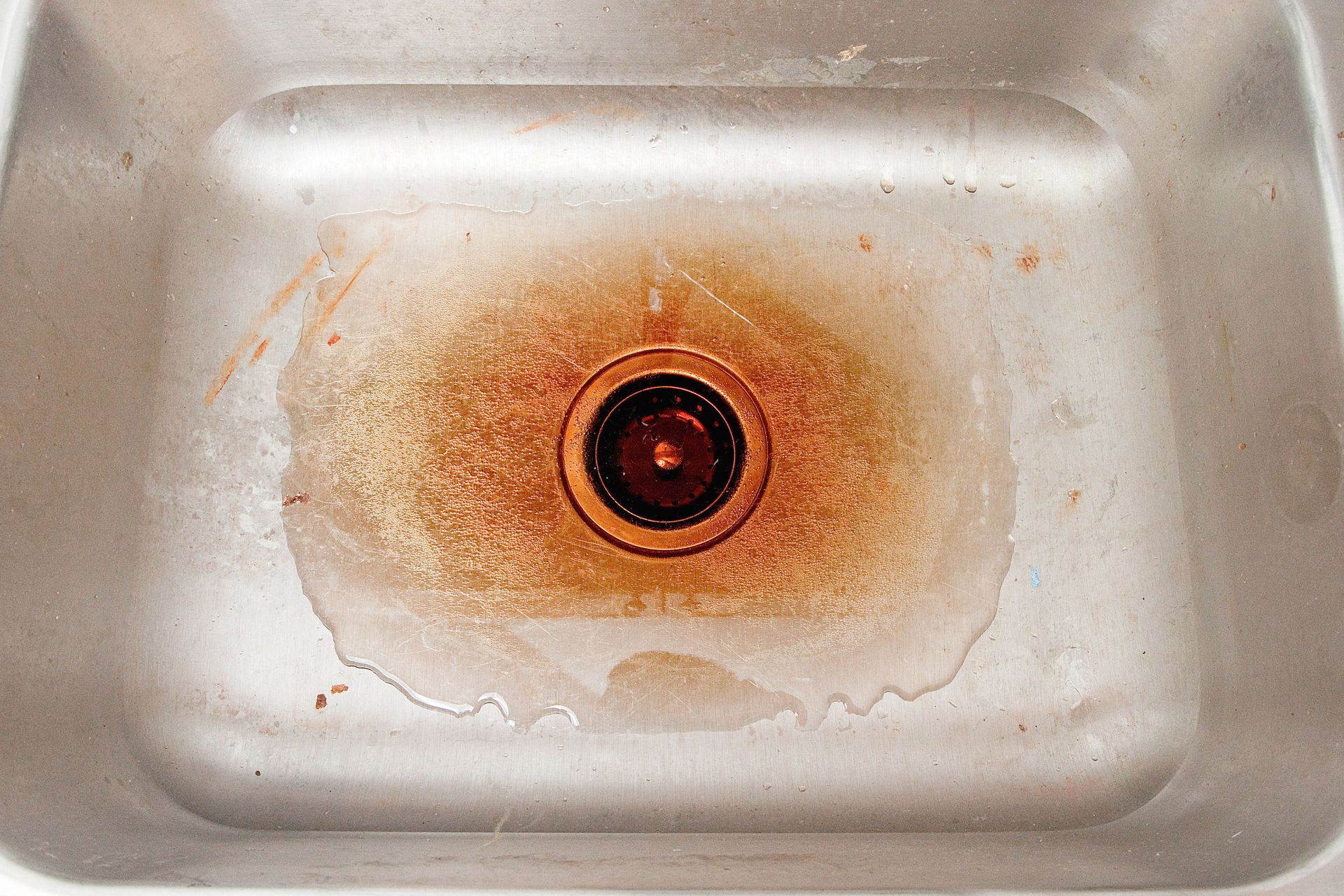
When water lingers in a sink or shower basin for extended periods, an underlying obstruction is developing. A single sluggish pipe might indicate a localized buildup of hair, soap scum, or culinary grease. Ignoring this warning sign allows the debris to solidify, creating a resilient barrier that standard water pressure cannot dislodge. This early stage of constriction represents the best time to intervene before the problem worsens. Timely awareness prevents a minor inconvenience from transforming into a major structural hazard.
As the accumulation expands, it restricts the cross-sectional area of the pipe, causing water to back up predictably. This progressive constriction eventually stops all liquid movement, rendering the affected fixture entirely unusable. Securing timely local drain cleaning addresses the accumulation before a complete blockage paralyzes the household plumbing framework. Prompt action keeps daily household routines running smoothly without unexpected operational interruptions.
Furthermore, widespread sluggishness across multiple fixtures suggests a deeper systemic bottleneck within the main lines. When toilets, showers, and sinks simultaneously fail to drain efficiently, the restriction sits far past the reach of basic remedies. Professional intervention utilizes advanced diagnostic tools to pinpoint the exact location of the bottleneck safely. This comprehensive analysis prevents secondary issues from developing further down the waste network.
2. Recurring Clogs in Fixtures
Experiencing a stopped pipe once in a while is a common household nuisance. However, when the same sink or toilet backs up repeatedly within a short timeframe, a deep-seated obstruction is likely present. Temporary clearing methods often only punch a small hole through the mass rather than removing it entirely. This incomplete remedy leaves the bulk of the debris firmly attached to the pipe walls. Overlooking these warning signs allows the remaining obstruction to compound rapidly.
This incomplete removal allows incoming debris to catch easily on the remaining residue, quickly reforming the barrier. According to Water UK, approximately 94% of sewer blockages are caused by items that are even considered "flushable." This reality emphasizes how resilient modern pipe obstructions can be when foreign materials accumulate inside wastewater lines. These problematic items belong in a trash bin rather than the waste system. Educating occupants on proper disposal habits helps protect the entire internal waste network.
Relying on superficial fixes for recurring blockages ultimately accelerates pipe wear and tear. Specialized diagnostic equipment helps technicians identify whether the issue stems from a structural defect or a stubborn mass. Investing in professional local drain cleaning breaks this frustrating cycle by thoroughly scouring the interior pipe walls. Complete removal extends the overall operational lifespan of the entire residential plumbing framework. Resolving the root cause saves property owners from continuous frustration and repetitive service calls.
3. Foul Odors from Drains
A healthy waste system must keep noxious sewer gases completely contained within the plumbing architecture. When persistent, unpleasant scents begin wafting out of kitchen sinks or bathroom grates, organic material is decomposing inside the pipes. Trapped food particles, hair, and grease create an ideal breeding ground for bacteria over time. This bacterial growth produces a distinct film that clings stubbornly to the plumbing materials.
As these microorganisms multiply, they release pungent gases that rise upward into living spaces, compromising indoor air quality. Pouring hot water or scented soaps down the hatch merely masks the stench for a few hours. The underlying mass continues to rot until a technician physically removes the organic lining from the pipe. Odors often serve as the first sensory indicator of a developing system blockage.
Persistent foul odors can also indicate a more serious problem, such as a compromised ventilation stack or a drying P-trap. When sewer smells permeate multiple rooms, the main waste line requires immediate, comprehensive inspection. Resolving this issue through local drain cleaning eliminates the decaying matter and restores a fresh environment. Eradicating the source of the smell protects the comfort of everyone inside the building.
4. Unexplained Gurgling Noises Heard
Plumbing systems are designed to operate quietly, with water moving smoothly through lines via gravity and venting. When distinctive gurgling or bubbling sounds echo from a fixture after running a faucet, air is trapped inside. This acoustic anomaly indicates that moving water is struggling to displace air pockets created by a blockage. Proper ventilation is essential for maintaining the correct pressure dynamics within the network. These strange sounds should never be dismissed as normal house noises.
As liquid pushes past an obstruction, bubbles force their way upward through the standing water, creating a characteristic rattling noise. This sound frequently manifests in toilets or adjacent tubs when a nearby washing machine discharges a heavy load. It serves as an early audible warning that the system is functioning under significant respiratory strain. Listening to these auditory clues helps prevent major backup events before they manifest. Catching the problem at this stage minimizes the risk of sudden line ruptures.
Leaving a gurgling pipe unaddressed frequently leads to a complete backup of raw wastewater into the property. The trapped air prevents efficient flow, increasing internal pressure throughout the interconnected network of pipes. Technicians utilize local drain cleaning methodologies to vent the line properly and clear out the restricting debris. Restoring appropriate airflow allows the entire plumbing layout to drain silently and efficiently.
5. Multiple Backed Up Fixtures
The most critical indicator of a failing waste network involves simultaneous backups across several lower-level fixtures. For instance, flushing a main floor toilet might cause wastewater to rise into a nearby shower basin. This alarming phenomenon demonstrates that the main exit pathway for the entire property is fully obstructed. When the primary line fails, every connected fixture becomes vulnerable to overflow. This critical state requires immediate cessation of all water usage inside the building.
Because wastewater cannot escape into the external utility network, it seeks the lowest available exit points within the structure. This scenario creates an immediate health hazard, as contaminated water introduces harmful pathogens into residential or commercial spaces. Immediate, decisive action is necessary to prevent extensive damage to flooring, cabinetry, and structural foundations. Quick mitigation helps protect the value and safety of the interior living space. Delaying action only increases the eventual restoration costs for the property owner.
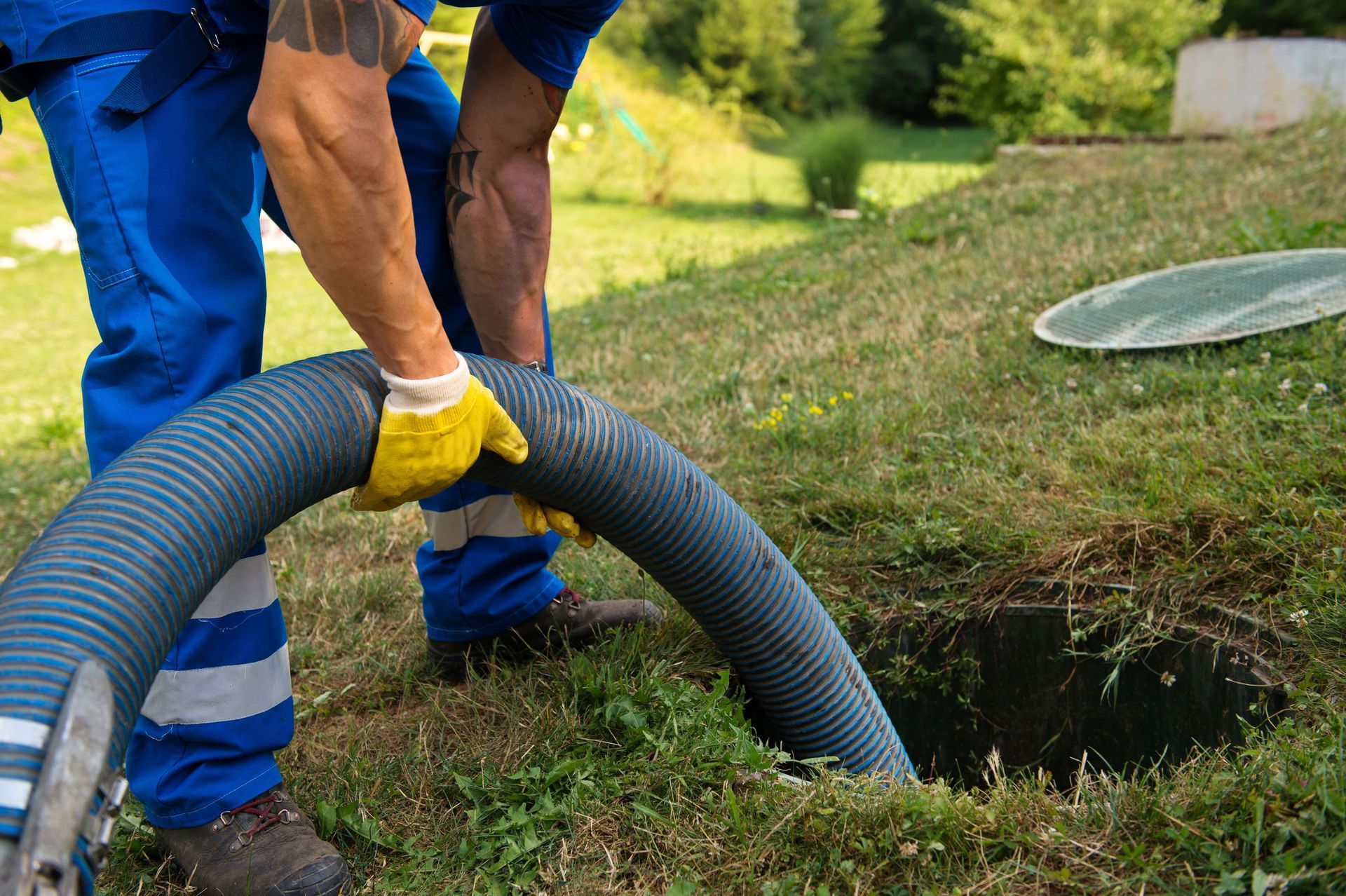
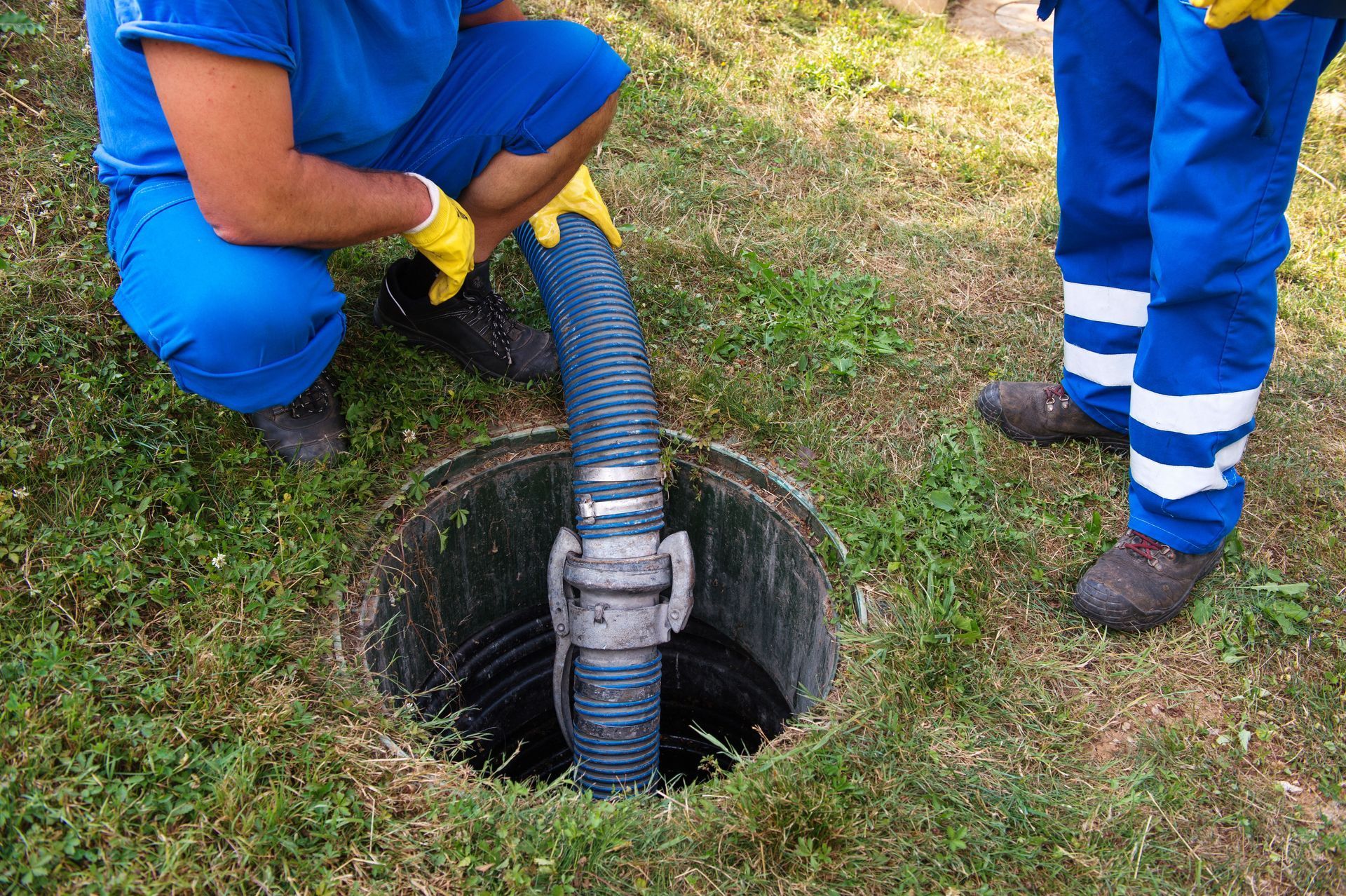
Standard localized clearing efforts are entirely useless when facing a mainline compromise of this magnitude. Specialized heavy-duty equipment must be deployed to clear the primary artery leading away from the building. Requesting professional local drain cleaning resolves this critical systemic failure, protecting the property from further biohazard contamination. Entrusting this level of damage to trained technicians guarantees a safer resolution for everyone involved. Expert intervention quickly re-establishes a safe equilibrium throughout the entire wastewater disposal configuration.
Recognizing these five warning signs helps property owners address plumbing issues before they escalate into major disasters. Sluggish fixtures, foul odors, recurring clogs, strange noises, and multiple backups all indicate that wastewater lines require immediate attention. Professional local drain cleaning restores system efficiency, protects property value, and maintains a sanitary, functional environment. Contact Diffley & Daughters Septic, Sewer and Drain, Inc today to schedule your comprehensive line inspection and restore optimal flow to your property.