July 30, 2026
A septic system is easy to overlook until drainage problems, sewage backups, or property changes make it impossible to ignore. For homes without municipal sewer access, the system must be properly sized, placed, and approved so wastewater can move from the home to the tank and drain field safely. When an existing setup is aging, undersized, or no longer compliant, a professional installation may be the most practical path forward. Understanding the warning signs can help property owners plan before a failing system creates larger concerns.
You Are Building Where Municipal Sewer Is Not Available
New home construction is one of the clearest reasons a property may need a new septic system. If municipal sewer service is not available, wastewater planning must happen early in the building process. The home's layout, expected daily water use, number of bedrooms, available land, and local requirements can all affect the system that is recommended.
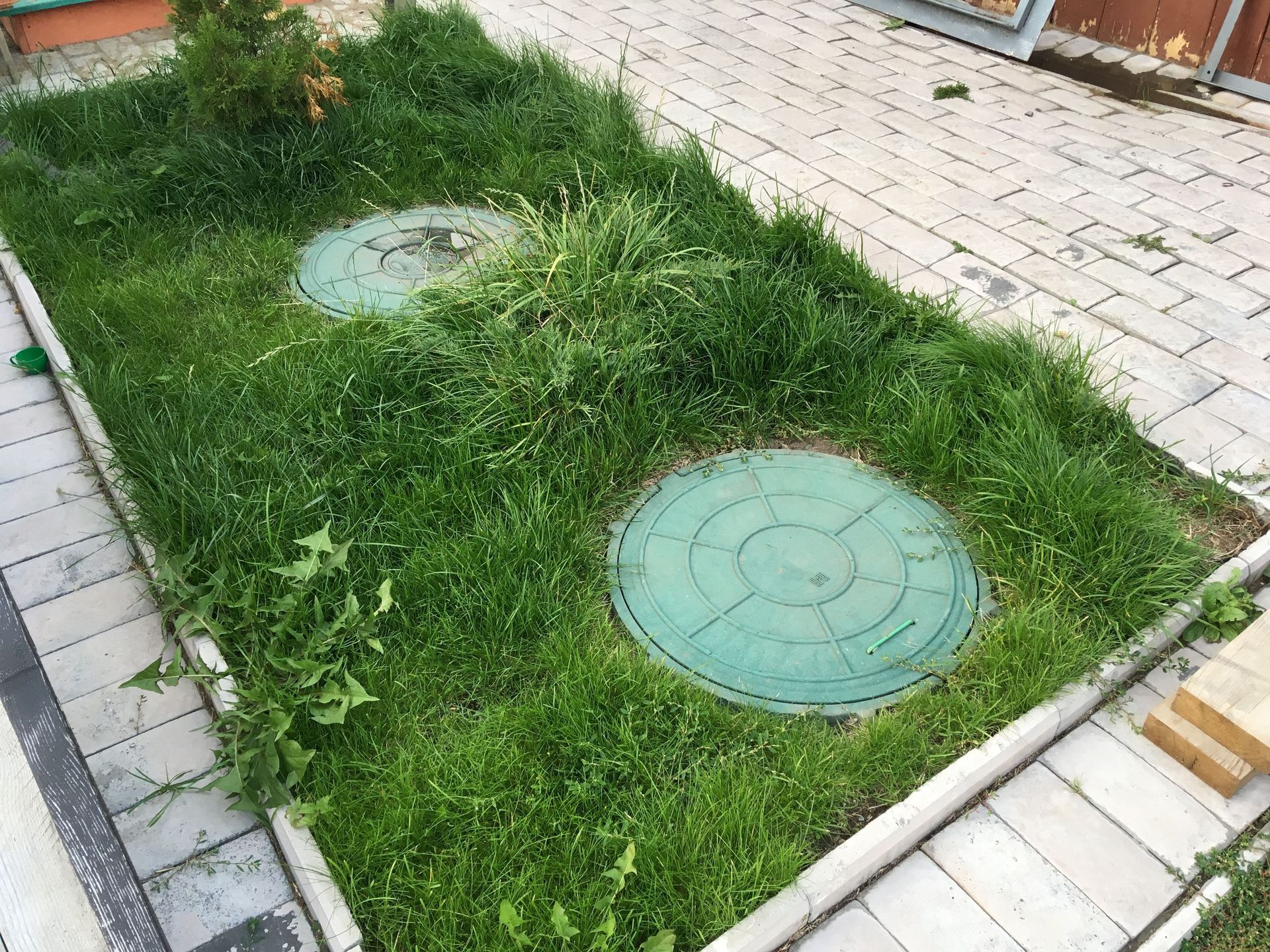
For a new build, septic installation is not just a matter of placing a tank in the ground. The process may include site assessment, permitting, excavation, tank placement, drain field construction, and final inspection. Planning these steps early helps avoid conflicts with driveways, structures, wells, usable yard space, or other property features that could affect the final system layout.
Your Existing System Is Aging or Failing
An older septic system can eventually reach the end of its useful life, especially if it has been under heavy use or installed under older standards. Property owners may notice slow drains, repeated backups, unpleasant odors, wet areas near the drain field, or wastewater concerns that keep returning after service. These signs do not always mean immediate replacement is required, but they should be taken seriously.
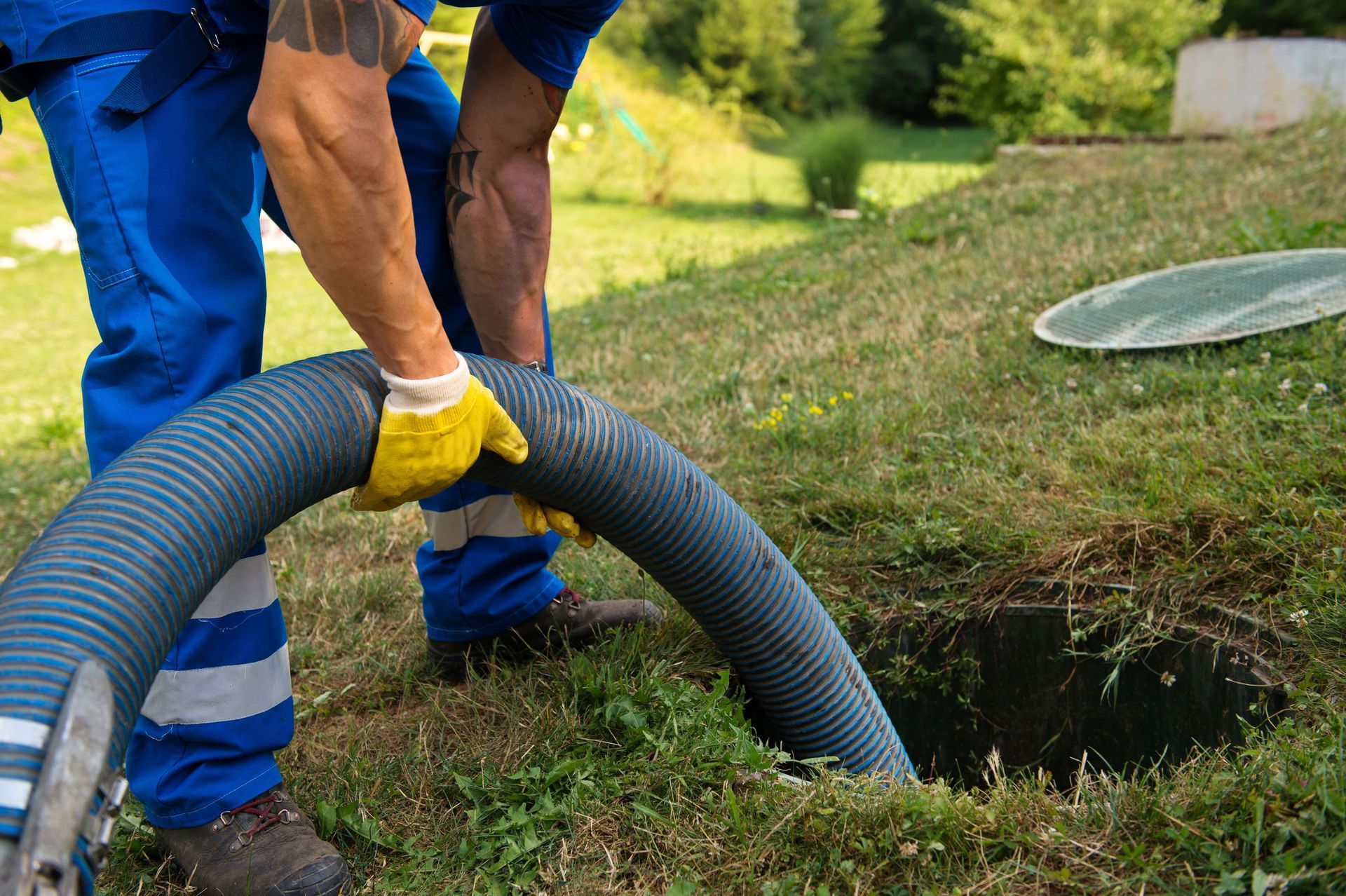
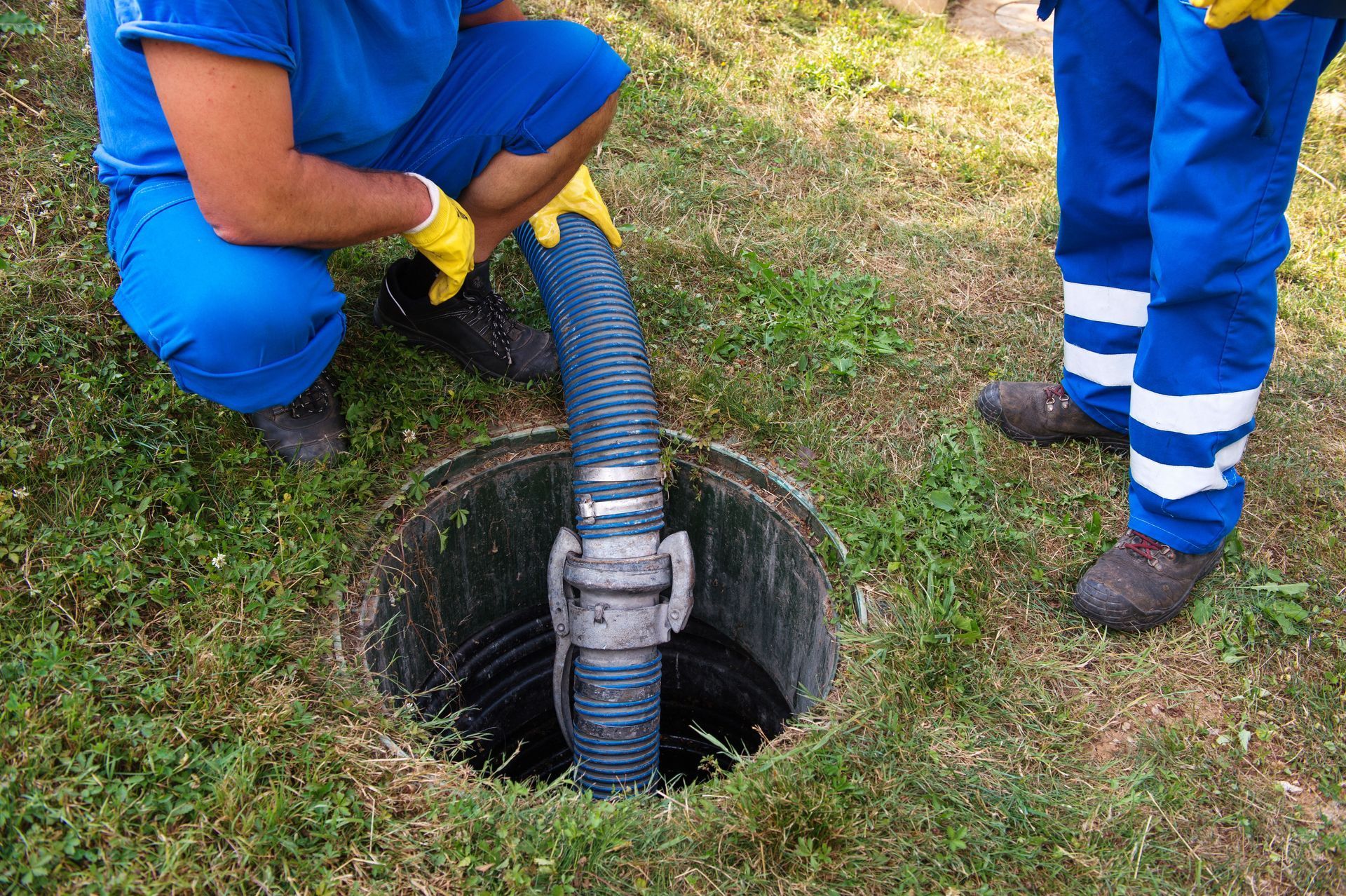
Maintenance history also matters when evaluating an older system. According to Forbes, to keep a septic tank functioning properly, it should be pumped out every two to five years to remove accumulated waste. Even with appropriate maintenance, however, a system can still wear down over time or become unable to support the property's current needs.
When problems are recurring, septic installation may become necessary to restore reliable wastewater function. A professional evaluation can help determine whether the issue is connected to the tank, drain field, soil conditions, capacity, or the overall age of the system. Replacement can also help reduce the risk of environmental concerns and protect long-term property value.
Your Renovation Increases Wastewater Demand
Home renovations can change how much wastewater a property produces. Adding bedrooms, expanding living space, finishing an area for regular use, or changing the way the household uses water may place more demand on the septic system. A system that was appropriate for the original home may not be large enough after the property changes.
In these cases, septic installation may be part of a larger upgrade. System size often depends on bedroom count, household size, daily water usage, soil conditions, and the amount of available space for the drain field. Reviewing capacity before a renovation is completed can help prevent compliance issues and performance concerns later.
You Are Facing Compliance or Permitting Requirements
Regulations can play a major role in whether a property needs a new septic system. A system that was acceptable years ago may need updates when a property is sold, developed, renovated, or brought into compliance with current environmental standards. Compliance issues can also arise when an existing system no longer meets the property's wastewater needs.
Permitting is a structured part of system installation because local health departments must confirm that the proposed system meets applicable requirements. This process helps ensure that the system type, placement, drain field design, and final installation are appropriate for the property. Professional coordination can keep the project organized from the initial assessment through final inspection.
You Have Persistent Drainage or Sewage Backup Issues
One slow drain or isolated backup does not automatically mean a new septic system is needed. However, repeated drainage problems, sewage backups, or wastewater odors can suggest a deeper issue. If the same problems return after attention, the system may not be moving or treating wastewater as intended.
Persistent issues can have different causes, including insufficient capacity, drain field trouble, aging components, poor site conditions, or a system that was not designed for current use. Because symptoms can overlap, professional assessment is important before deciding whether replacement, an upgrade, or another installation-related solution is appropriate.
Your Soil or Site Conditions Require a Different System
Some properties are more challenging than others. Soil composition, groundwater levels, slope, available space, and property layout can all affect how wastewater is treated and dispersed. If the land cannot support a conventional system, another type of system may be needed to meet regulatory and functional requirements.
Before septic installation begins, the property should be evaluated to determine which system type fits the site. Options may include conventional septic systems, aerobic treatment units, mound systems, sand filter systems, pressure distribution systems, chamber systems, or drip distribution systems. Matching the system to the land is essential for reliable performance and long-term compliance. This is especially important in Rhode Island, where groundwater levels, available space, and local review can influence which design is suitable for a specific property. A system that works well on one parcel may not be appropriate for another nearby lot.
Your Current System No Longer Fits the Property
A septic system should match how the property is used. Over time, a home may gain more occupants, require more daily water use, or become part of a larger property development plan. Even if the system has not fully failed, it may be outdated, undersized, or poorly suited for the property's current demands.
A new system can also be considered when an owner wants to plan for long-term use rather than wait for a complete failure. This is especially relevant when a property has repeated drainage concerns, known capacity limitations, or development goals that require a more reliable wastewater solution. A thorough evaluation helps determine whether the existing setup can continue to perform or whether a replacement should be planned.
You Want a System Designed for Long-Term Function
A new septic system is a major property infrastructure decision. The goal is not only to solve today's problem but also to create a system that supports the property for years. Proper planning considers the tank, drain field, soil conditions, groundwater levels, available space, household needs, and regulatory requirements together.
Professional septic installation also reduces the risk of choosing a system that is poorly matched to the land. A careful process can help determine the right system type, prepare the site, complete the excavation, place the tank, construct the drain field, and move the project through final inspection. Each phase matters because the system must work as one complete wastewater solution.
A property may need a new septic system when it is being built without municipal sewer access, the current system is aging or failing, renovations increase wastewater demand, regulations require updates, or site conditions call for a different design. Diffley & Daughters Septic, Sewer and Drain, Inc provides septic installation services, including site assessment, permitting, excavation, tank placement, drain field construction, and final inspection for systems tailored to each property's requirements. Give us a call today to learn more!