November 7, 2026
According to the U.S. Census Bureau, recent 2026 reports indicate that nearly 28.5 million housing units across the U.S. are serviced by individual septic systems. For homeowners who rely on an underground wastewater setup, maintaining that system is vital to protecting both public health and property values. Because your septic tank sits out of sight, it can be surprisingly easy to forget about it until a serious issue develops.
Small plumbing quirks often serve as early indicators that your system is struggling beneath the surface. When you know what to look for, you can address underlying issues before they turn into costly structural repairs or hazardous backups. Regular maintenance, including routine septic tank pumping, remains your best line of defense against unexpected system failures. Recognizing the subtle red flags early will help you protect your investment and keep your household running smoothly without unnecessary disruptions.
1. Noticing Slow Drains Throughout the Property
When a single sink or shower drains slowly, you might assume you're dealing with a localized clog made of hair or soap residue. However, when multiple drains across your home begin slowing down simultaneously, the problem usually originates much deeper in your plumbing infrastructure. Wastewater relies on clear pipes and adequate space inside your holding tank to flow freely away from your living space. As solid waste builds up inside the tank over time, liquid has nowhere to go, causing wastewater to back up into your home’s lowest plumbing fixtures. If you notice that your toilets, tubs, and sinks are all lagging at the same time, it's usually a sign that your system needs immediate attention. Scheduling a timely septic tank pumping can clear out accumulated solids, relieve internal pressure, and instantly restore normal drainage speed throughout your home.
2. Hearing Gurgling Noises from Plumbing Fixtures
Your plumbing system should operate quietly without producing dramatic sounds when water moves through the pipes. If you hear persistent gurgling, bubbling, or popping noises from your toilets, sinks, or washing machine drains after running water, your system is trying to tell you something. These distinct sounds occur when trapped air bubbles are forced upward through standing water because the main line or tank is compromised. A healthy system allows air to vent properly, but line blockages or an overfilled tank restrict air release and create localized pressure pockets. Ignoring these unusual noises often leads to complete line blockages or sudden wastewater backups in low-lying fixtures. Booking a standard septic tank pumping allows a professional technician to evaluate your system’s air vents, clear out heavy sludge, and ensure trapped gases can escape safely without disrupting your plumbing.
3. Detecting Foul Odors Near the Drainfield
A properly functioning wastewater system keeps unpleasant sewage gases safely contained underground or vented high above your roofline. If you suddenly step outside into your yard and catch a strong whiff of sewage or rotten eggs, your system is failing to trap those gases correctly. These foul smells often point to liquid wastewater breaking through the surface of the soil or a tank that has exceeded its storage capacity. As solid waste fills the tank, untreated effluent can push into the drainfield prematurely, saturating the soil and releasing noxious fumes into the surrounding air. Smells can also travel back up through your home’s indoor drains if the tank's liquid levels rise too high. Scheduling regular septic tank pumping keeps the solid sludge volume low, preventing smelly gases from escaping into your yard or backing up into your indoor living spaces.
4. Observing Standing Water in the Yard
Under normal conditions, the soil surrounding your drainfield processes wastewater invisibly below the surface without creating puddles. If you spot standing water, muddy patches, or pooling liquid in your lawn near the tank or drainfield, your system is experiencing severe drainage trouble. Pooling occurs when the soil becomes so oversaturated or clogged with solid particles that it can no longer absorb incoming liquid effluent. When wastewater has nowhere else to go, it forces its way upward through the topsoil, creating a health hazard on your lawn. Standing water is one of the most urgent warning signs of system failure, as it indicates that untreated sewage is pooling on your property. Prompt septic tank pumping can reduce liquid levels in the tank and give your saturated drainfield time to rest, dry out, and resume normal absorption functions.
5. Spotting Unusually Lush Grass Above the Tank
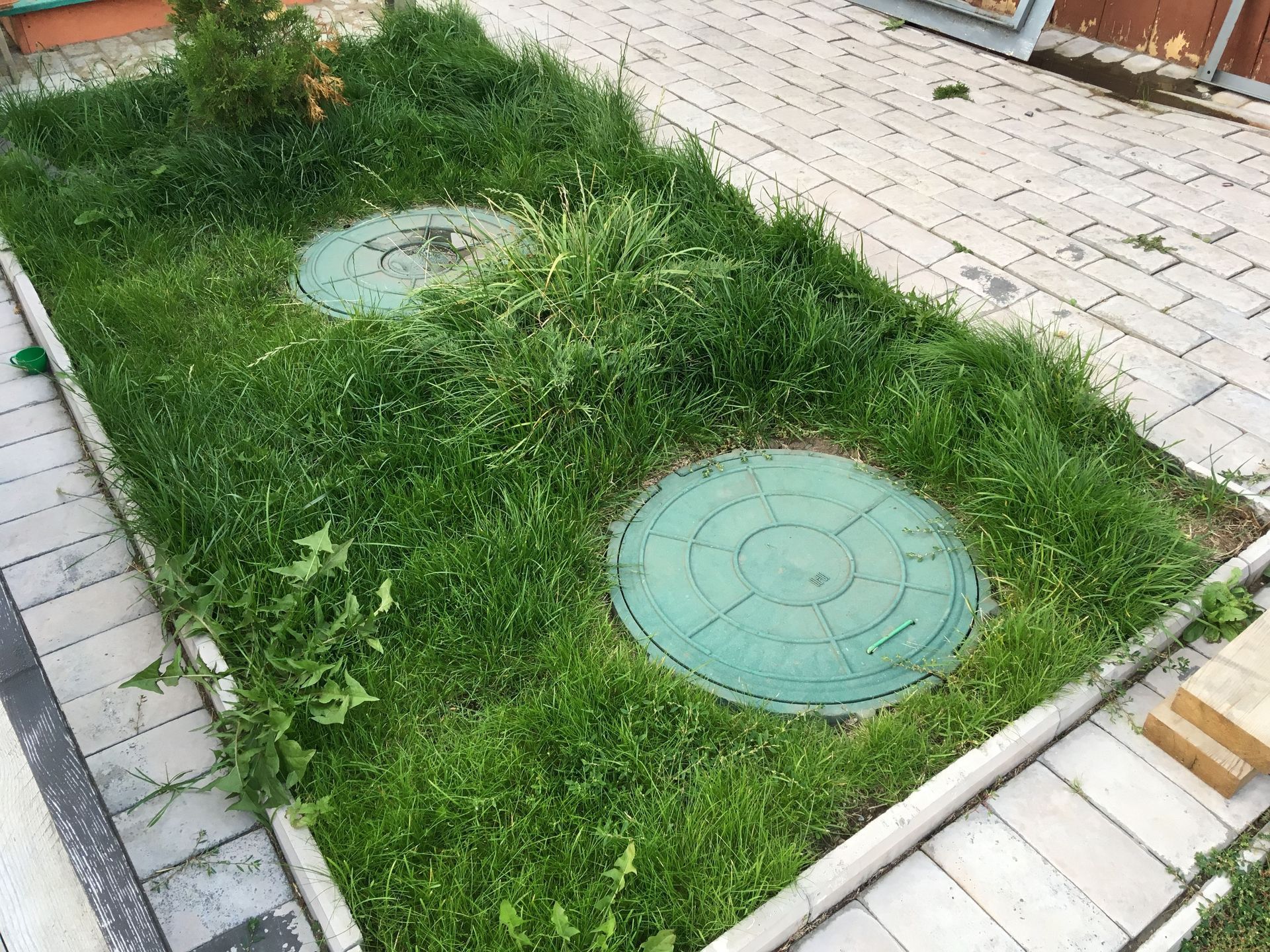
While every homeowner wants a green, healthy lawn, a patch of grass over your septic tank or drainfield that looks significantly greener and taller than the surrounding turf is cause for concern. Lawn grass thrives on moisture and nutrients, both of which are present in raw sewage and untreated wastewater. If your drainfield pipes are clogged or the tank is leaking liquid from the top, extra wastewater acts as an accidental fertilizer for the grass directly above it. This sudden surge in lawn growth typically indicates that effluent is rising too close to the surface instead of filtering downward through the deep soil layers. If you notice a bright green patch of grass outperforming the rest of your yard, your system requires a thorough evaluation.
6. Experiencing Frequent Sewage Backups in Fixtures
There is perhaps no clearer or more unpleasant sign of a system failure than dark, foul-smelling sewage backing up into your sinks, bathtubs, or basement drains. When wastewater reverses its flow and re-enters your home, your holding tank has completely run out of functional capacity to process new liquid waste. This severe issue can stem from heavy solid accumulation, structural pipe collapse, or severe drainfield clogging that prevents liquid from leaving the tank. Sewage backups present immediate health risks and can cause extensive property damage to flooring, walls, and personal belongings. Once a backup occurs, using any water inside the house only worsens the flooding. Contacting a technician for an emergency septic tank pumping is essential to drain the flooded tank, clear the line, and protect your home from ongoing environmental contamination and structural damage.
7. Finding High Nitrate Levels in Well Water
If your property relies on a private water well alongside an on-site wastewater system, monitoring your water quality is a vital part of home maintenance. Wastewater contains high levels of nitrates and bacteria, which healthy soil filters out before liquid reaches local groundwater tables. However, if your septic tank is cracked, overflowing, or discharging untreated sewage directly into nearby soil layers, those harmful contaminants can leach into your drinking water supply. Annual water testing that reveals rising nitrate or coliform bacteria levels is a strong indicator that your wastewater system is failing to treat effluent properly. Keeping up with routine maintenance and regular septic tank pumping protects local groundwater reserves by ensuring that your system effectively separates and treats waste before liquid filters into the environment around your home.
Your septic system works hard every day to process household waste safely and efficiently, but it relies on periodic care to function properly over its long lifespan. Recognizing early warning signs like slow drains, unusual noises, persistent odors, and lush lawn patches allows you to address minor mechanical issues before they turn into major structural emergencies.
Committing to a routine maintenance schedule and staying proactive about your plumbing infrastructure ensures your system operates smoothly for years to come. If you're experiencing any of these warning signs on your property, contact Diffley & Daughters Septic, Sewer and Drain, Inc today to request your free estimate and schedule professional service.