November 20, 2026
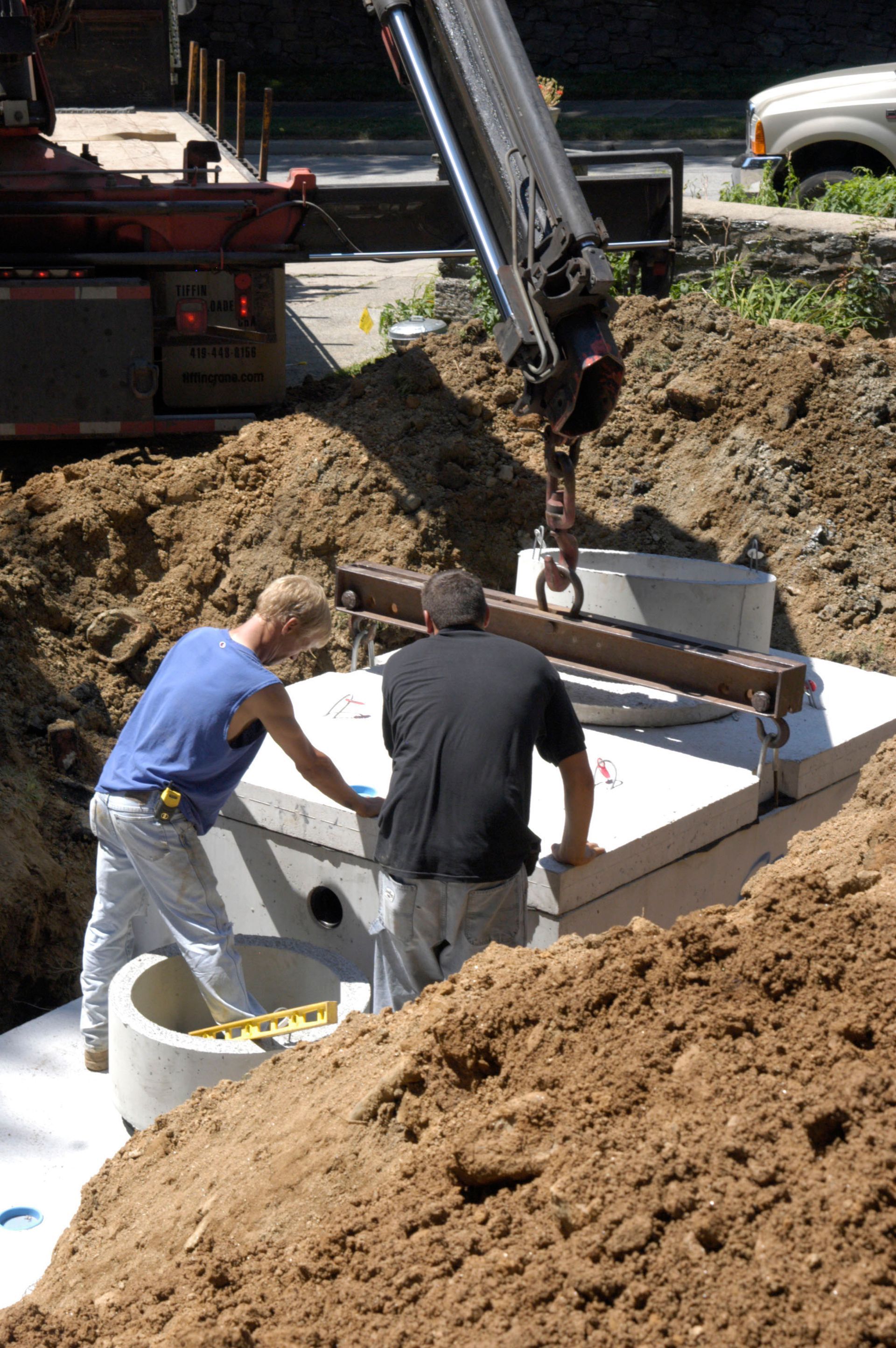
Understanding whether to repair or replace a septic system is essential for protecting your property, health, and local environment. Septic systems serve as the core of domestic wastewater management, processing household effluent daily. When components falter, homeowners face a dilemma: continue patching recurring problems, or invest in a full overhaul? Continually patching an inherently failing structure is an expensive, losing battle. Recognizing when an aging setup has surpassed its operational lifespan prevents biological contamination and preserves property value. When routine maintenance yields diminishing returns, investing in a comprehensive local septic installation provides a safer, more economical path forward.
Recognizing Early Warning Signs of Septic System Failure
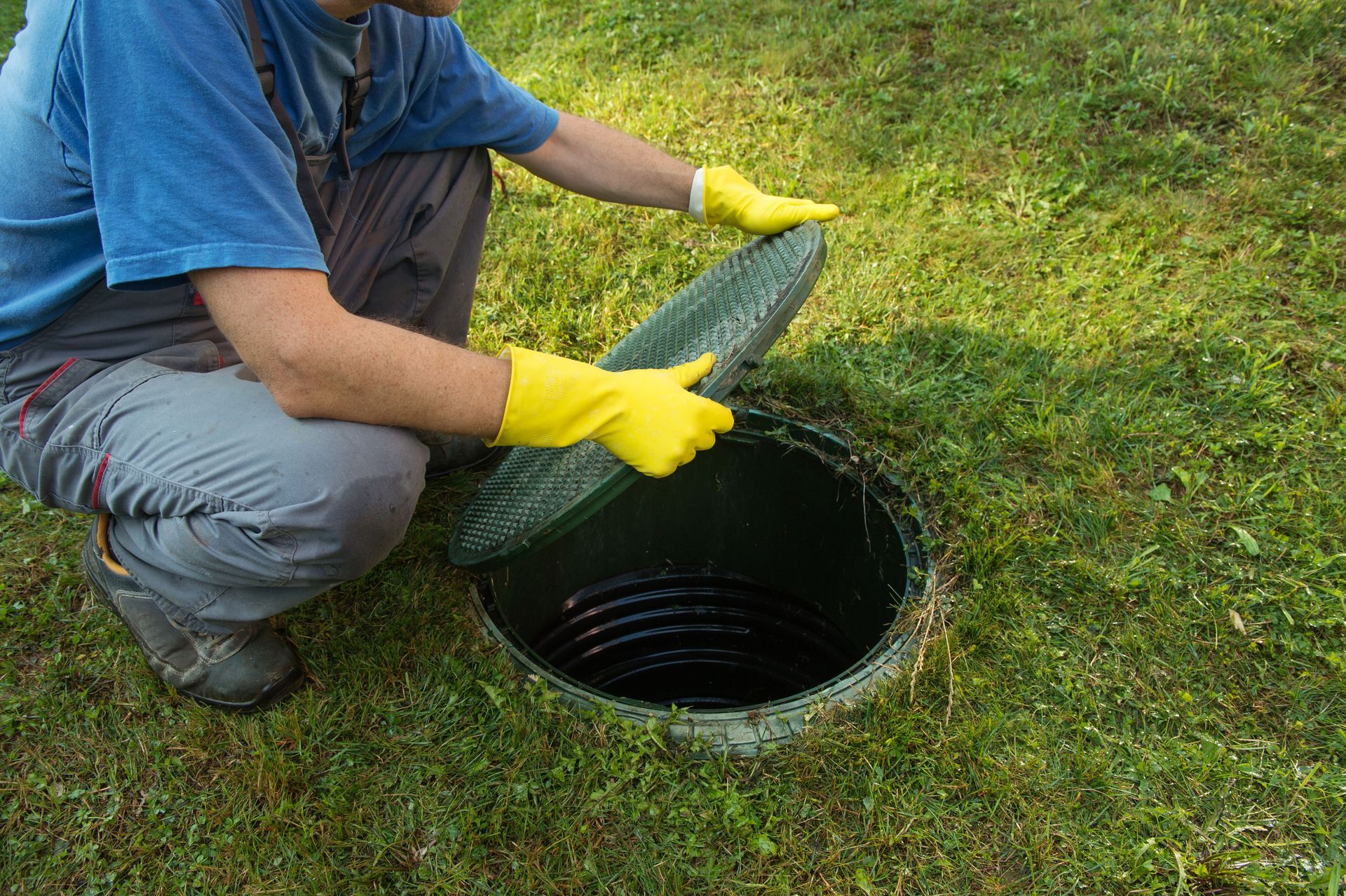
A malfunctioning septic system rarely collapses without preliminary warning signs. Homeowners must stay alert to shifts in drainage performance and yard conditions. Sluggish drains across multiple fixtures—such as sinks, tubs, and toilets—frequently indicate choked main pipes or an overfilled tank. Widespread drainage sluggishness usually points to deep blockages or a saturated absorption area. Another unmistakable red flag is foul odors drifting near the tank or indoors. Furthermore, standing water over the drain field indicates that effluent can no longer filter downward into the soil column. An unusually lush patch of grass over the absorption trench is equally concerning, as surfacing wastewater fertilizes the lawn. Experiencing sewage backups represents the most severe failure, requiring immediate professional help.
Evaluating the Age and Physical Durability of Your Tank
Every wastewater disposal setup possesses an expiration date determined by its construction materials and operational stress. Precast concrete septic tanks typically maintain an expected working life of thirty to forty years, while fiberglass and polyethylene models average twenty to thirty years. As underground tanks approach these age thresholds, corrosive gases steadily weaken their structural stability. Acidic microbial byproducts eat away at interior concrete walls through biogenic sulfide corrosion, making them susceptible to sudden collapse. Older steel tanks present even greater danger, as internal rust destroys structural integrity from within. When an aging tank suffers extensive spalling or root intrusion, scheduling a professional local septic installation prevents catastrophic collapse and protects ground integrity.
Calculating the Cumulative Costs of Ongoing Repairs
Deciding whether to remediate or retire a septic setup frequently comes down to financial mathematics. Individual maintenance visits and minor repairs—such as swapping a cracked baffle or clearing a pipe—represent modest expenses. However, when an old system experiences sequential breakdowns, those intermittent service bills rapidly accumulate. Recurring calls to clear backups or reseal crumbling distribution boxes drain household reserves without fixing the underlying structural failure. Homeowners often fall into the trap of pouring money into an absorption field that requires replacement anyway. Rather than funneling cash into endless emergency patches, budgeting for a complete local septic installation establishes predictable costs, reduces maintenance expenses, and restores lasting peace of mind.
Weighing Environmental Contamination and Public Health Hazards
A failing septic network creates an urgent public health and ecological crisis. When a tank leaks or an absorption field becomes hydrologically blocked, untreated sewage bypasses filtration and migrates into surrounding soils. Pathogens, bacteria, viruses, and nitrates permeate local ground, threatening nearby freshwater aquifers and ecosystems. Contaminants that leach into groundwater quickly reach private drinking wells, creating severe biological hazards for residents. Furthermore, excess nitrogen and phosphorus washing into nearby streams trigger destructive algal blooms that suffocate aquatic life. A failing drain field that saturates surrounding soil can pollute domestic drinking wells unless resolved with a compliant local septic installation. Eliminating these hazards through system replacement ensures effluent is treated safely.
Exploring Modern Technologies and Advanced Treatment Units
Modern wastewater treatment designs have evolved dramatically beyond basic gravity-fed systems. Today’s replacement options incorporate advanced treatment units, mechanical aeration devices, and specialized filtration media that process biological waste far more aggressively than conventional configurations. Aerobic treatment units introduce dissolved oxygen into effluent, cultivating robust microbial colonies that break down solids rapidly and produce cleaner discharge. These technological advancements solve difficult site constraints, such as poor soil percolation, steep grades, or limited surface space. Choosing an upgraded local septic installation allows properties with high water tables or limited acreage to utilize compact, high-efficiency treatment systems that deliver superior performance and protect sensitive waterways.
Navigating Regulatory Standards and Mandatory Inspection Rules
Environmental regulations governing wastewater management have intensified significantly over recent decades. Modern sanitary codes require specific horizontal setbacks from property boundaries, potable wells, and surface waters to protect public health. Aging infrastructure rarely meets current environmental criteria during real estate transfers. Routine oversight is critical because deferred maintenance regularly triggers widespread system breakdowns. According to the Environmental Protection Agency Ireland, 59% of inspected septic tanks failed inspection, primarily due to structural faults, desludging neglect, and operational deficiencies. When regulatory inspectors flag non-compliant setups, investing in an engineered local septic installation ensures that the property conforms strictly to current environmental health codes.
Increasing Residential Property Value Through New Infrastructure
Investing in a major infrastructure upgrade provides significant returns by bolstering property marketability and appraised value. Real estate transactions often hinge on the functional condition of the on-site wastewater system. Discerning buyers routinely hire specialized inspectors to evaluate underground tanks and drain fields before closing. A certified failure or an outdated setup needing overhaul can delay mortgage underwriting or cause prospective buyers to walk away completely. Conversely, a freshly replaced septic system offers peace of mind to incoming buyers, who avoid unexpected repair expenses. Prospective homebuyers view a documented, fully permitted system replacement as a major asset that eliminates immediate capital expenditure, elevating property appeal in any housing market.
Planning Your Budget and System Replacement Financing
Undertaking a comprehensive wastewater replacement project requires careful budgetary planning and an understanding of available capital resources. Complete system overhauls involve diverse cost components, including engineering site evaluations, soil perc tests, excavation equipment, high-grade materials, and municipal permitting fees. While the upfront investment is substantial, an array of financial mechanisms can ease the fiscal transition. Property owners can leverage various financial tools to manage expenses smoothly, such as home equity lines of credit or specialized home improvement loans. Securing upfront pricing for a turnkey local septic installation helps families choose the right financing package without surprises, structuring monthly payments over manageable terms without destabilizing household savings.
Selecting Qualified Professionals for Ongoing Waste Management
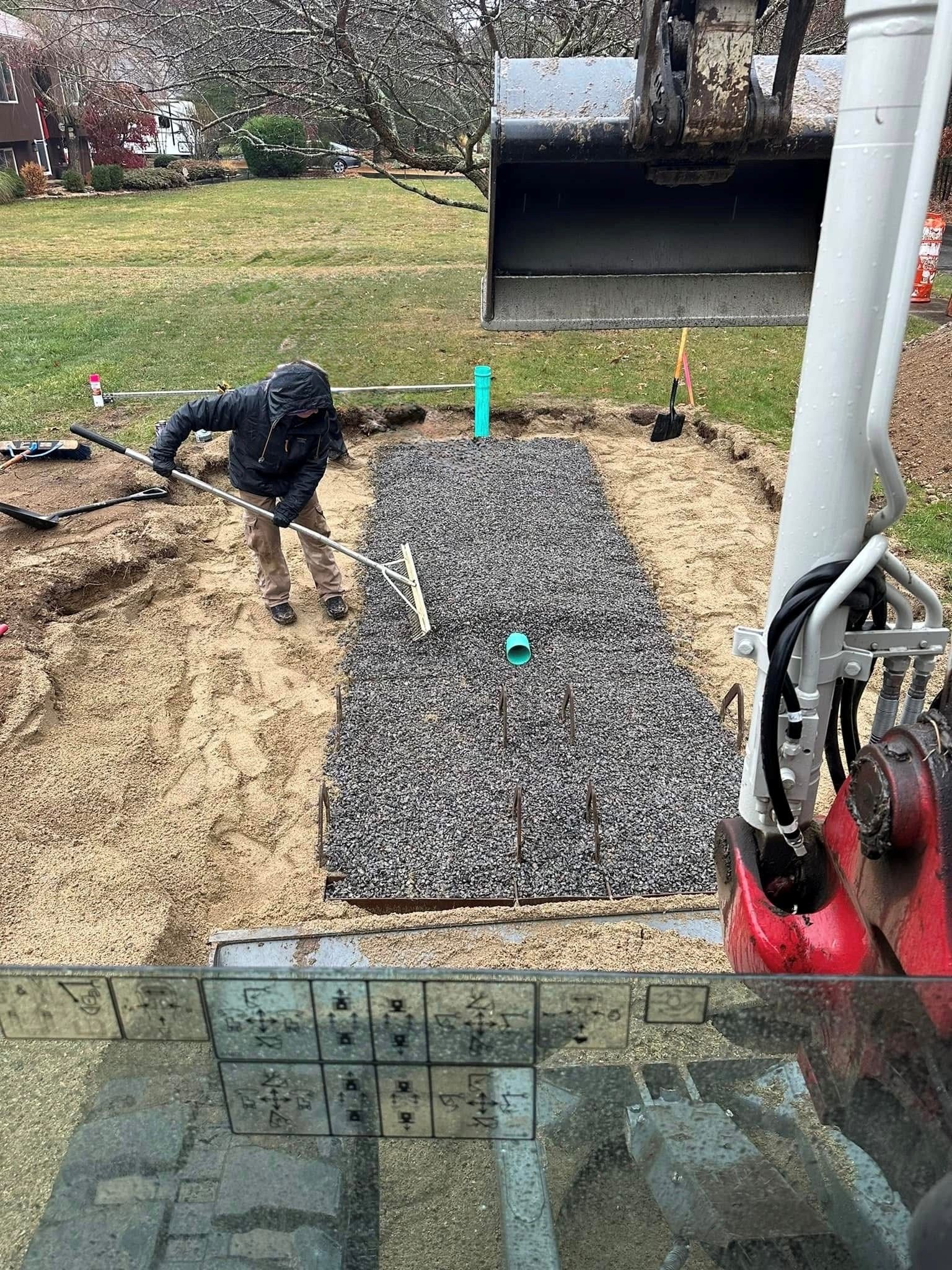
Executing a compliant, durable septic overhaul demands high-level technical expertise, professional engineering oversight, and heavy equipment operation. Selecting the right contractor ensures that soil diagnostics, tank sizing, plumbing grades, and backfilling steps adhere to precise municipal construction codes. Incompetent installation practices can ruin expensive drain field soils through improper compaction, causing brand-new systems to fail prematurely. Homeowners should rigorously vet prospective contractors by verifying licensing, specialized liability insurance, and customer satisfaction histories. Trustworthy professionals provide detailed, transparent written proposals outlining every project phase, from initial permit acquisition to final loam grading. Collaborating with seasoned specialists guarantees that system sizing matches household waste volumes accurately, ensuring dependable, long-term performance.
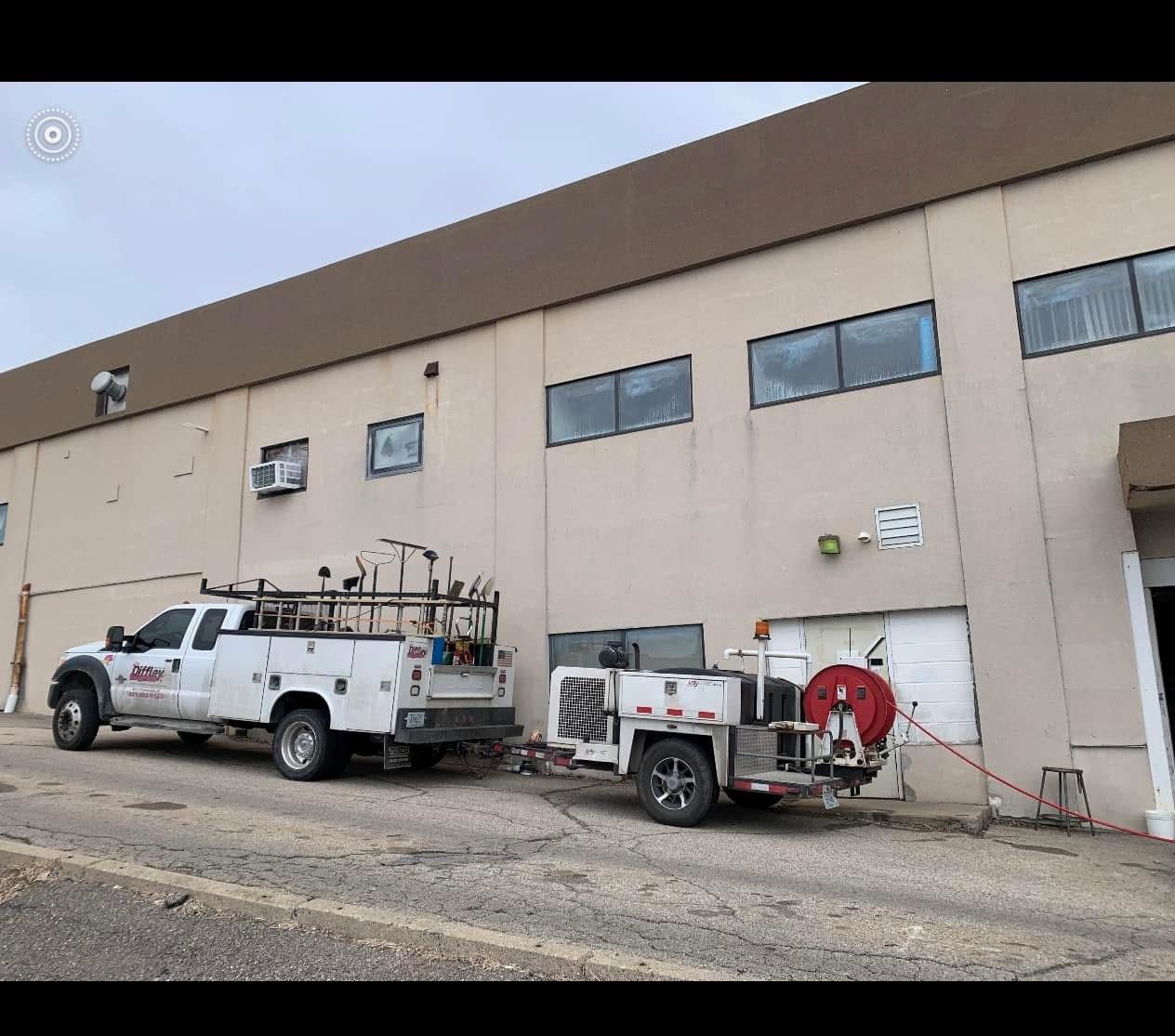
Making the choice between repairing or replacing an aging septic system comes down to prioritizing reliability, public safety, and financial common sense. While routine maintenance is appropriate for newer infrastructure, clinging to an antiquated, compromised system creates chronic stress and environmental degradation. Moving forward with a modern, fully permitted installation eliminates recurring emergency service costs and preserves property value for decades ahead. When choosing a licensed contractor for your local septic installation, always partner with proven regional specialists who prioritize quality craftsmanship and regulatory compliance. If you suspect your current setup is reaching the end of its useful lifespan, contact Diffley & Daughters Septic, Sewer and Drain, Inc. today to schedule a comprehensive evaluation and discuss your property's waste management needs.